About Throne Roofing
A practical roofing resource written by a working roofer, for homeowners and newer tradespeople who want straight answers.
Why this site exists
Throne Roofing started with a simple observation from the job site: most homeowners only learn how their roof works after it starts leaking. By then, the fix is usually bigger and more expensive than it needed to be.
Online roofing advice is often either too vague to be useful or written by people who have never stood on a roof. We wanted something different: short, honest guides that explain how roofing details really work, what usually goes wrong, and what questions to ask before you pay for a repair or a new roof.
Every article on this site focuses on one practical topic, gives the direct answer first, and then explains the details in plain language.
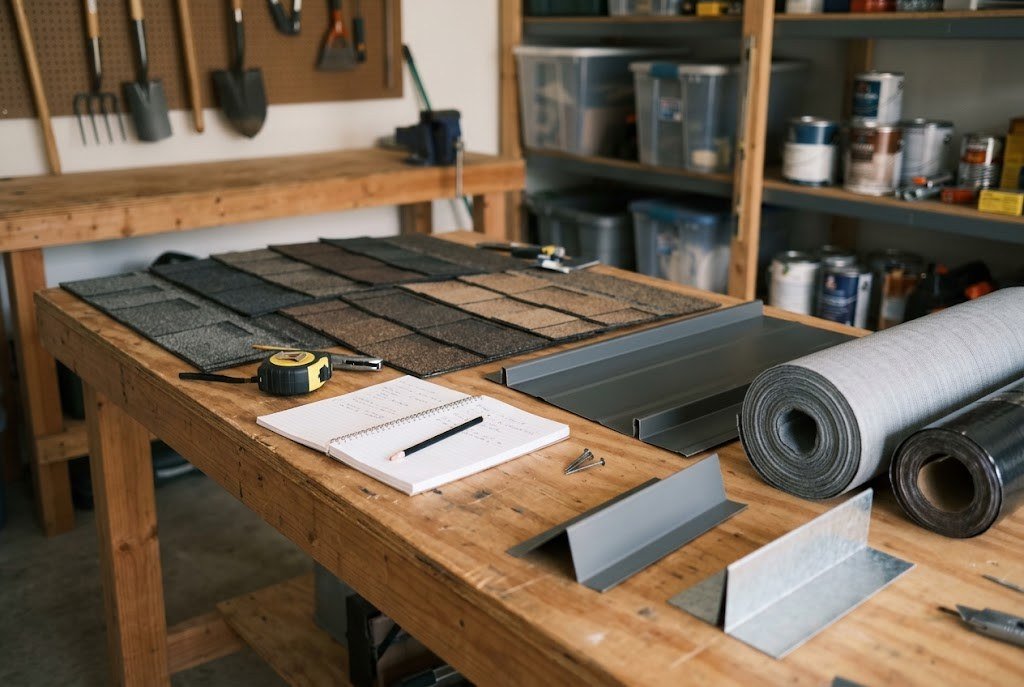
Topics we write about
Roof flashing
Drip edge, Z flashing, step, valley and wall flashing, and how each one keeps water out.
Underlayment and membranes
Synthetic and felt underlayment, ice and water protection, and choices for steel roofs.
Low-slope and cold-climate roofing
Materials for low pitches and details that hold up through snow, ice and freeze-thaw cycles.
What you can expect
- Plain-language explanations without sales pressure
- Honest notes on limits, risks and when to call a professional
- Clear dates on articles, and updates when information changes
- Fast corrections when a reader points out an error
- No paid reviews and no hidden sponsorships
What this site is not
We share general information for education. We do not inspect roofs through the internet, give quotes, or replace a licensed, insured contractor who can see your roof in person. Roofing work involves serious fall risk. Please read our disclaimer before attempting any work yourself.
This site is supported by display advertising. Ads help us keep every guide free, but they never decide what we write or recommend. You can read more in our editorial policy and privacy policy.
Questions, corrections or ideas?
We read every message and use reader questions to plan new guides.