Understand your roof before you pay to fix it
Plain-language guides on flashing, underlayment, low-slope roofs and cold-climate details. Learn what each part does, what usually fails, and what to ask your contractor.
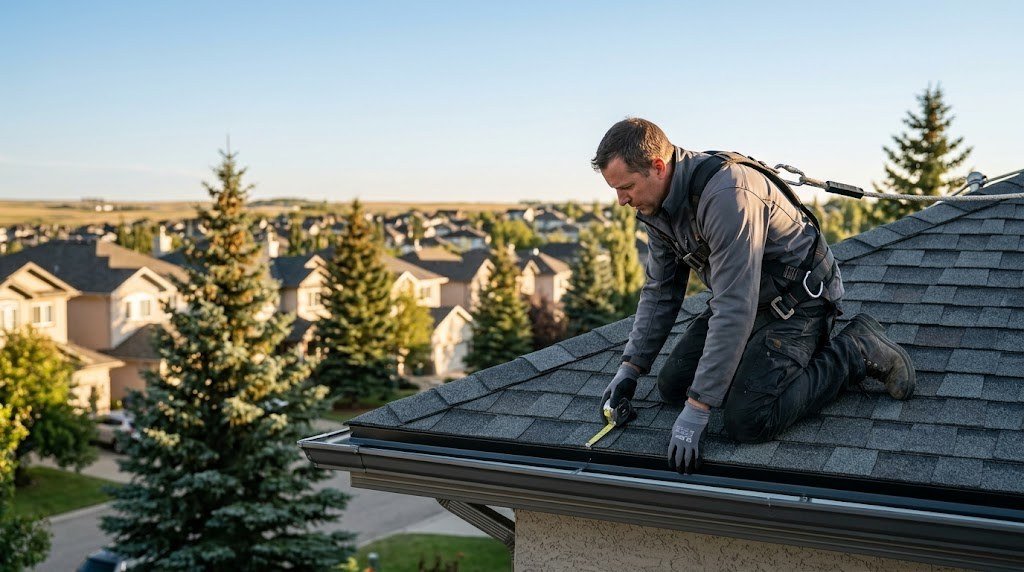
Latest roofing guides
New, in-depth guides that answer one roofing question properly, with the direct answer first.
-
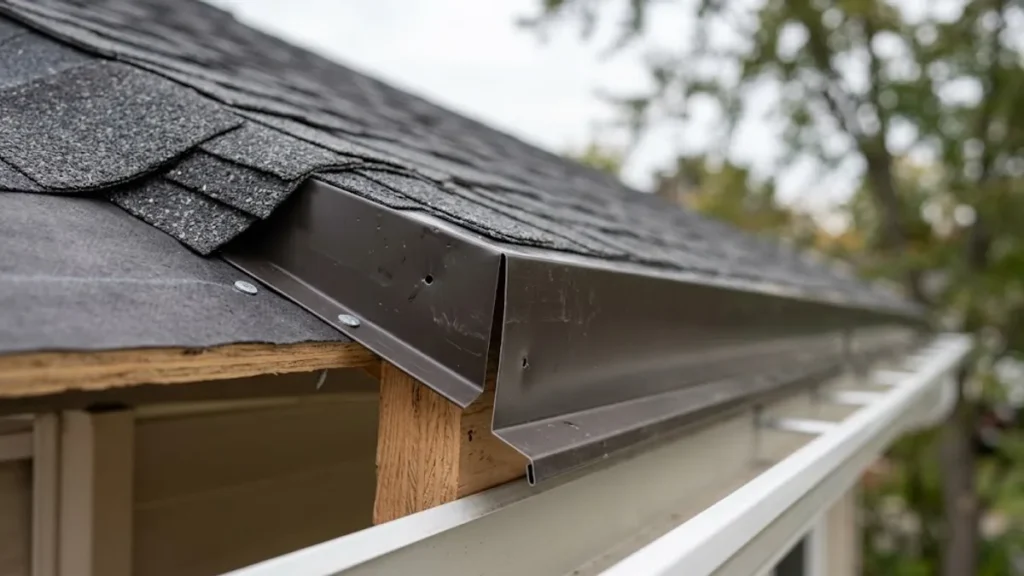
Roof Drip Edge Flashing: A Practical Guide
Roof drip edge flashing protects your fascia and gutters from water damage. Learn the types, profiles, install steps, and real costs in one guide.
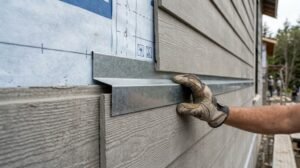
Where most roof problems start
Leaks rarely come from the shingles themselves. They start at edges, joints and the layers underneath. Pick a topic.
Roof Flashing
Drip edge, Z flashing, step and valley flashing, and how each keeps water out.
Explore flashing guides
Underlayment
Synthetic, felt and peel-and-stick layers for shingle and steel roofs.
Explore underlayment guides
Low-Slope Roofing
Materials, minimum pitches and drainage for flat and low-pitch roofs.
Explore low-slope guidesA simple reading path for homeowners
Read these four guides in order and you will understand the parts of a roof that cause most leaks and callbacks.
Advice from the roof, not from a desk
Most roofing failures come from small details: a missing drip edge, flashing lapped the wrong way, or underlayment that was never meant for that roof. Those are the details we see on the job, and they are exactly what our guides explain.
- Written by a roofer with about five years of hands-on work in Canada
- Direct answer first, then the details, in plain language
- Safety notes wherever a job involves heights or tools
- Reviewed and updated when products or practices change
How every guide is made
Quick answers
Can I use these guides instead of hiring a roofer?
No. Our guides help you understand roofing work and talk confidently with a contractor. Roofing involves fall hazards and local code rules, so structural or high work should be done by a qualified, insured professional.
Are the guides written for cold climates?
Yes. We write with Canadian conditions in mind, including snow load, ice dams and freeze-thaw cycles. Always check your local building code, since requirements vary by province and municipality.
Do brands pay to be mentioned?
No. We do not accept payment for reviews or recommendations. The site is supported by display advertising, which never influences our content.
How often are guides updated?
We review guides regularly and update them when products, codes or best practices change. The date on each article shows when it was published or last updated.
I found a mistake. How do I report it?
Please tell us through the contact page. We review every correction request and update articles when needed.
Have a roofing question we have not covered?
Send it our way. Good questions often become our next guide.