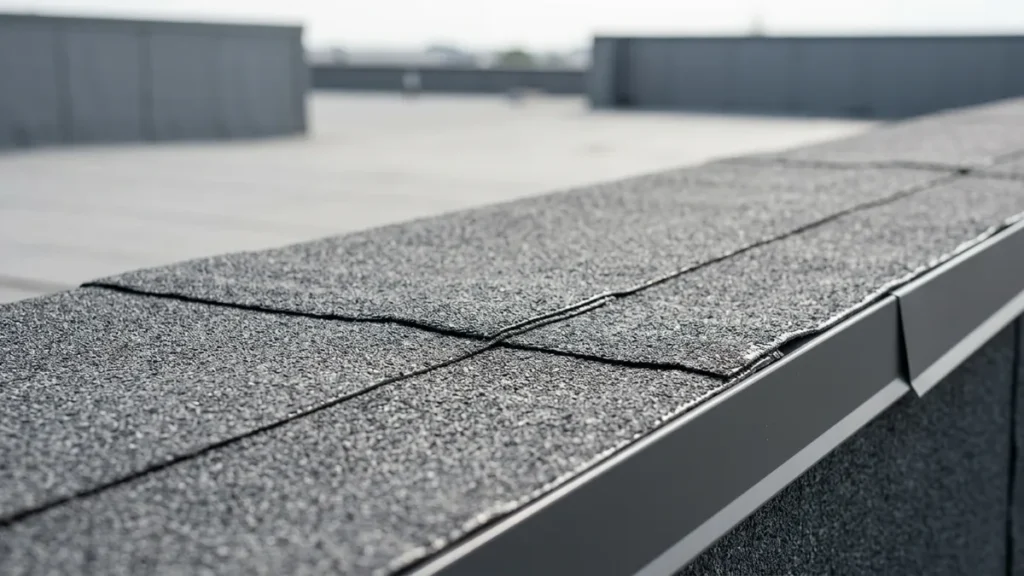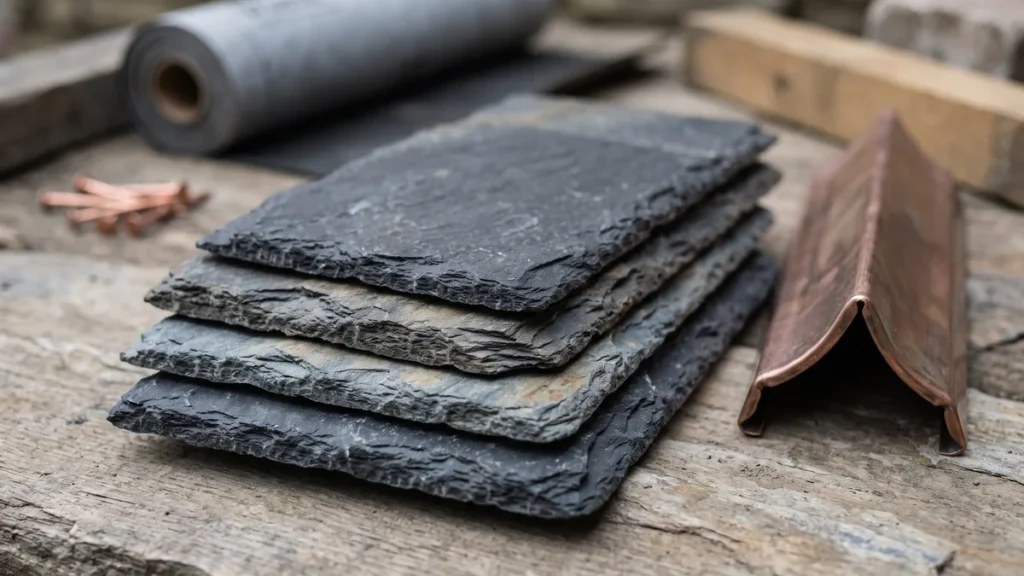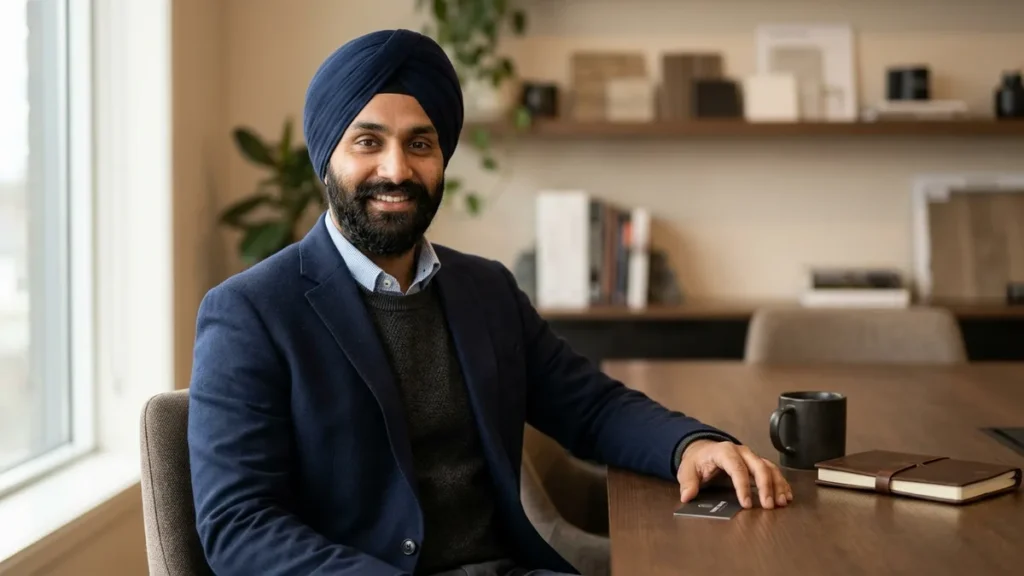

Dilpreet Singh is the founder of Throne Roofing, a roofing company based in Calgary, Alberta, Canada, serving homeowners across Calgary, Edmonton and Saskatchewan. The guides on this site focus on what matters for Canadian prairie roofs: snow load, ice dams, freeze-thaw cycles and the details that keep water out. Questions or corrections: support@throneroofing.online
If you searched for dilpreet singh – founder, throne roofing, you likely want to confirm who he is, whether his company is legitimate, or what a roofing founder’s public profile can tell you. This guide covers all three using only what can be checked, then adds the verification steps and scam warnings every Canadian homeowner should know before signing a roofing contract.
Who is Dilpreet Singh, founder of Throne Roofing?
Dilpreet Singh is listed publicly as the founder of Throne Roofing, a roofing company based in Calgary, Alberta that serves Calgary, Edmonton and Saskatchewan. His LinkedIn profile shows a Calgary location. Little else is published, so verify licences, insurance and WCB coverage yourself before hiring any roofer.
That short answer is deliberate. Many pages about this name pad the space with guesses. We won’t. Everything below is either a public listing, a check you can run yourself, or general guidance for Canadian homeowners.
Quick facts: what can be confirmed
| Item | What is publicly listed | How to verify it yourself |
|---|---|---|
| Name and role | Dilpreet Singh, Founder, Throne Roofing | LinkedIn profile, company website |
| Location | Calgary, Alberta, Canada | LinkedIn, Google Business Profile |
| Service area | Calgary, Edmonton, Saskatchewan | Company website (throneroofing.ca) |
| Phone | 403-681-5911 | Call and ask for the business legal name |
| @throneroofing | Check recent job photos and comment history | |
| Company type | Throne Roofing Inc. | Alberta corporate registry search |
If a detail is not in the “verify” column, treat it as unconfirmed. Founder biographies online often repeat each other without a source, and a repeated claim is not a checked claim.
Is this the same person as other Throne Roofing listings?
Not necessarily. Name searches sometimes surface similarly named businesses, including U.S.-style “LLC” listings in places like San Antonio, Texas. An LLC is a U.S. entity type. The Alberta company is a Canadian corporation, so the legal name, province and phone area code should all match.
Roofing is a common trade with common business names. Match three things before you trust any profile: the legal business name, the city, and a working phone number. If two of the three don’t line up, you’re looking at a different company.
Sign in to view Dilpreet’s full profile: what LinkedIn shows without an account
LinkedIn shows a limited public preview to visitors who aren’t signed in. You’ll usually see the name, headline, location and a short summary, while the rest sits behind a login prompt. That is a LinkedIn design choice, not a sign that anything is hidden on purpose.
The preview is still useful. A headline that reads “Founder, Throne Roofing” and a Calgary location matches the company’s service area. It’s a quick consistency check, nothing more.
View mutual connections with Dilpreet
Mutual connections are the people you both know on LinkedIn. For a homeowner, this is a soft trust signal at best. If a neighbour, property manager or local business owner appears, ask them directly about their experience.
A shared connection is not a reference. A reference is someone who paid for a roof and can describe the crew, the cleanup and the invoice. Ask for two of those.
About: what a founder’s summary should tell you
A good “About” section on a contractor profile says what the company installs, where it works, and how long it has operated. A weak one is a paragraph of adjectives.
When you read any roofer’s About section, look for concrete items: shingle brands installed, warranty terms, crew size, the cold-climate conditions they work in. Alberta roofs deal with hail, chinook temperature swings and heavy snow load, so a roofer who writes about those has probably worked on local roofs.
Welcome back: re-checking a roofer before you sign
Returning to the same profile a week later is smart. Contractors change phone numbers, close companies and reopen under new names. Run these checks again right before you sign, not only at first contact.
Compare the quote against your notes. If the price, scope or crew size changed without explanation, pause. A written quote should hold for the stated validity period.
Activity: reading a contractor’s recent posts
A founder’s posts show how the business presents itself. Look for finished-job photos with visible detail: flashing, valleys, ridge vents, drip edge. Look for dates. A feed of stock images tells you nothing.
Comments matter too. Real customers tend to mention specifics, like the cleanup or how the crew handled a surprise rain delay. If every comment says “great work” in the same words, be sceptical.
Experience and education
Experience on a profile is self-reported. Treat years in business as a claim to confirm through the corporate registry, past customers and project photos, not as proof of quality.
Education matters less in roofing than hands-on installation record. Manufacturer installer certifications, if a company holds them, are worth asking about because they can be confirmed with the manufacturer.
View Dilpreet’s full experience
LinkedIn hides the complete work history from non-members. If you need it for a business reason, create an account or ask the company directly. A legitimate roofing company will tell you how long it has operated, who owns it and who will supervise your job.
You don’t need a founder’s résumé to hire a roofer. You need proof the company is registered, insured and covered by workers’ compensation.
View Dilpreet’s full profile: what to do with it
Use the profile to confirm identity, then move on to the checks that protect your money. A polished profile can’t repair a bad roof.
| Profile signal | What it suggests | What to do next |
|---|---|---|
| Name and company match across LinkedIn, website and Instagram | Consistent identity | Confirm the legal name with the corporate registry |
| Location matches service area | Locally based | Ask for a local address and recent local jobs |
| Sparse profile, no posts | Not informative either way | Rely on references and paperwork |
| Different company names in different places | Possible rebrand or unrelated business | Ask directly and verify before paying a deposit |
How do you verify any roofing contractor in Alberta?
Verify the paperwork, not the pitch. Ask for a certificate of liability insurance (many homeowners ask for at least $2 million in coverage), a WCB Alberta clearance letter, the municipal business licence, and a written scope with material brands and warranty terms.
| Check | Why it matters | Red flag |
|---|---|---|
| Liability insurance certificate | Covers damage to your home during work | Refusal, or a certificate that expired |
| WCB Alberta clearance | Protects you if a worker is injured on your property | “We don’t need it, we’re subcontractors” |
| Municipal business licence | Confirms the business can legally operate in your city | No licence number provided |
| Written, itemized quote | Locks in scope and price | A one-line verbal price |
| Manufacturer warranty details | Defines coverage on shingles and workmanship | Warranty promised but not written |
| Local references | Shows repeat, verifiable work | Only online reviews, no phone numbers |
Call the insurer listed on the certificate. It takes five minutes and catches forged documents.
How do roofing scammers con homeowners out of thousands of dollars?
The common pattern is simple: create the problem, then charge to fix it. Crews go door to door, convince homeowners to let them onto the roof, then cause or exaggerate damage so there is something to “repair.” The bill arrives afterwards, often for thousands of dollars, with no itemized quote.
Other tactics are well documented in consumer warnings:
- A “free inspection” that finds expensive damage in minutes.
- Pressure to sign today because “the materials are already on the truck.”
- Large cash deposits requested up front.
- Photos of damage that don’t match your roof.
- A repair that fails, followed by the contractor blaming the roof itself.
That last one deserves attention. Several homeowners describe a contractor who returned, “fixed” the leak, and then blamed the roof for the same problem a second time. Repeat failures with no change in diagnosis mean the cause was never found.
Roofing scammers in Aberdeen and NE Scotland vs trusted traders: what Canadians can copy
Reports from Aberdeen and north-east Scotland describe travelling crews who knock on doors and push for immediate work. Some reports mention accents. Ignore that detail. Accent says nothing about honesty, and fixating on it lets real scammers off the hook. Judge behaviour and paperwork.
The contrast with trusted local traders is useful in any country.
| Behaviour | Door-knocking scam crew | Trusted local roofer |
|---|---|---|
| How the job starts | Unsolicited knock, urgent warning | You contact them, or a neighbour refers them |
| Pricing | Verbal, changes on site | Written, itemized, valid for a set period |
| Deposit | Large, cash, immediate | Modest, by traceable payment, tied to materials |
| Contact details | Mobile number only | Address, landline or office, registered name |
| After the job | Hard to reach | Tidies up and answers warranty calls |
One review pattern is worth quoting in spirit: a homeowner praised a tradesperson for a new roof and for tidying up “spotlessly” afterwards. Cleanup sounds minor. It’s a decent proxy for how a crew treats your property.
What should you do if a contractor damaged your roof or property?
Treat it as a possible crime. In U.S. forums you’ll see this described as felony damage to property. In Canada the term is “mischief,” covered under the Criminal Code (section 430), and the seriousness depends on the damage and circumstances.
Take these steps in order:
- Make the roof safe if you can do so without climbing. Use a tarp only if a licensed person can place it safely.
- Photograph and film everything: damage, vehicles, crew, signage, licence plates.
- Call the police and get a file number. In Calgary, use the non-emergency line unless someone is in danger.
- Call your insurer and report it, usually as a vandalism or property damage claim. Ask what they need in writing.
- Speak to a lawyer if money was paid, a contract was signed or the damage is large.
- Do not pay the invoice while the dispute is open.
- Report the business to Service Alberta, which handles consumer protection complaints.
If you signed a contract at your door, ask about the cancellation window for direct sales contracts. Alberta has a cooling-off period for these, so confirm the current rules with Service Alberta quickly, because the clock starts when you sign.
What about online threats and reputation fights?
Some roofing disputes spill into social media. You’ll see posts threatening to contact someone’s employer or business over an argument. That’s a pressure tactic, not a legal remedy.
If you’re a homeowner in a dispute, keep your complaints factual and tied to documents. If you’re a business owner, don’t answer in anger. Save screenshots, respond once and politely, and let formal channels do the rest. Public meltdowns hurt everyone and prove nothing about a roof.
Taking over a family roofing company: what customers should notice
A common story: a roofer in his twenties takes over a company started by a grandfather, and the second generation struggles. Succession is hard in trades. Crew loyalty, supplier credit and reputation all transfer unevenly.
As a customer, watch for signs of strain during a handover:
- Staff turnover, so the crew who quoted isn’t the crew who arrives.
- Slow replies on warranty calls.
- Supplier delivery delays or material substitutions.
- Quotes that change without a documented reason.
None of this means a company is bad. It means you should put every promise in writing and confirm who stands behind the workmanship warranty.
Why don’t the best roofers advertise much?
Top-tier roofers often have waitlists. One long-running trade observation is that busy, reputable contractors sometimes ask customers not to hand out their numbers. Demand comes through referrals.
That doesn’t make advertising a bad sign. It does mean a roofer begging for work at your door is less likely to be your best option than one who is booked three weeks out. A short wait for a good crew beats a same-day start from a stranger.
Should you hire a specialist or an all-in-one roofer?
It depends on the roof. For metal roofing, specialists make sense because flashing, fastener patterns and thermal movement differ from asphalt shingles. For standard asphalt shingle replacement, an experienced general roofing company is usually fine.
| Roof type | Specialist worth it? | Ask the roofer |
|---|---|---|
| Asphalt shingle | Not essential | How many replacements per year, which shingle line, ice and water shield placement |
| Metal panel or standing seam | Yes | How do you handle expansion, snow guards and panel seams |
| Flat or low slope | Often | Membrane type, drainage slope, seam testing |
| Hail repair after a storm | Experienced storm crews | Insurance claim help, documentation, local references |
Photos of finished roofs of your exact type are worth more than any slogan.
How does Throne Roofing fit into this?
Throne Roofing Inc. operates in Calgary, Edmonton and Saskatchewan, and Dilpreet Singh is publicly named as its founder. The company’s phone number, website and Instagram handle are all listed above, so anyone can check the same details this guide uses.
Don’t take that on trust either. Apply the same checklist you’d use for any company: insurance certificate, WCB clearance, written quote, references. A legitimate roofer will expect the questions and answer them without friction.
FAQ
Dilpreet Singh is publicly listed as the founder of Throne Roofing, a roofing company in Calgary, Alberta serving Calgary, Edmonton and Saskatchewan. His LinkedIn profile shows a Calgary location. Detailed biography is limited, so confirm company details through the corporate registry and direct contact.
Not necessarily. “LLC” is a U.S. business structure and San Antonio is in Texas, while the company discussed here is a Calgary-based Canadian corporation. Match the legal name, province and phone number before assuming two listings are the same business.
Ask for a liability insurance certificate, a WCB Alberta clearance letter, a municipal business licence and a written itemized quote. Call the insurer to confirm the policy is active. Then speak to two recent customers by phone.
Photograph everything, call the police for a file number, report the loss to your insurer, avoid paying the invoice, and consult a lawyer. In Canada this may fall under mischief rather than “felony,” which is a U.S. term. Report the business to Service Alberta too.
Crews knock on doors, ask to inspect the roof, then cause or exaggerate damage and demand payment to fix it. They push urgency, ask for cash deposits and avoid written quotes. Never let an unsolicited stranger onto your roof.
For metal roofs, a specialist is the safer choice because seams, flashing and thermal movement need specific skills. For asphalt shingles, an experienced general roofer with local references and verifiable insurance is usually enough.
Questions about roofing in Calgary, Edmonton or Saskatchewan? Call 403-681-5911 or visit throneroofing.ca.